
In the fast-paced world of technology, five years might feel like an eternity, and a decade, a full epoch. So, when one of the world’s largest corporations asks investors to lend money not for ten, but for an entire century, it makes even the most seasoned Wall Street wolves sit up and take notice. This week, Alphabet, the parent company of Google, did just that. The company issued incredibly rare, 100-year bonds, and in less than 24 hours, attracted an almost incomprehensible sum: nearly thirty-two billion dollars. This isn’t just a financial transaction; it’s a powerful signal that the race for artificial intelligence is escalating to a new level of astronomical spending, and investors are placing an unwavering bet that the search giant will dominate the world even when our grandchildren are grandparents.
Why is the Richest Company Borrowing?
You might logically wonder: why would a company swimming in cash need to borrow money? Alphabet’s market value currently stands at nearly four trillion dollars, with a staggering one hundred and twenty-six billion in cash reserves. Annually, it generates over seventy-three billion dollars in free cash flow. However, even these colossal reserves are no longer sufficient for the ambitions dictated by the new reality. The company has decided to leverage the favorable market conditions to finance its artificially intelligent investments, which have gained unprecedented momentum.
The AI Arms Race Demands Billions
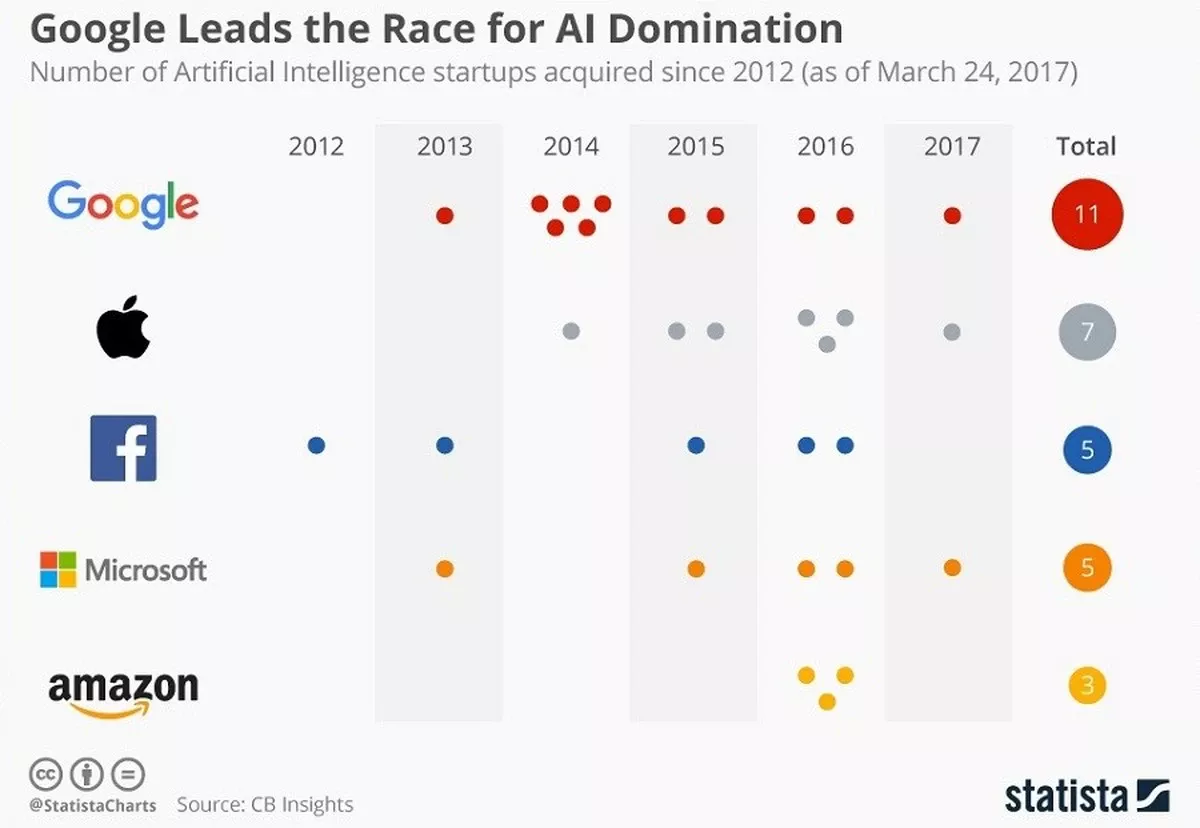
Publicly announced plans indicate that Google intends to double its spending on AI infrastructure, servers, and research this year alone, reaching an astonishing one hundred and eighty-five billion dollars. This is a war for future dominance, and Alphabet doesn’t want to rely solely on its savings. By issuing bonds in US dollars, pounds, and Swiss francs, it secures cheap, long-term capital. The demand was so immense that investors’ willingness to lend nearly tenfold exceeded the supply. This clearly demonstrates that market participants view artificial intelligence not as a bubble, but as an inevitable engine of the future economy.
Lessons from History: The Shadows of IBM and Motorola
Nevertheless, 100-year bonds are a risky game in the corporate world. Typically, such instruments are issued by governments or universities – like Oxford or Harvard – institutions that have existed for centuries and are likely to endure for much longer. Corporations rarely dare to look that far ahead because business cycles are ruthless. History is replete with examples of tech giants that seemed invincible, only to fade into obscurity within decades.
When Giants Fell
For instance, in 1996, IBM, then hailed as the king of technology, also issued 100-year bonds. At the time, no one could imagine a world without IBM’s dominance. However, Microsoft and Apple soon entered the arena, pushing the old giant to the background. A more somber example is the retail chain JC Penney, which successfully sold half a billion dollars worth of century bonds in 1997, only to declare bankruptcy twenty-three years later, leaving investors with worthless paper. Motorola experienced a similar fate, transforming from a telecommunications leader into merely a shadow of its former self just thirty years prior. Therefore, investing in Google for a century is a gamble not only on the technology itself but also on the company’s ability to escape the fate of its predecessors.
Who Buys Into Such Risk?
Despite historical warnings, confidence in Alphabet is currently ironclad. These long-term bonds are typically purchased not by ordinary speculators, but by institutional investors – pension funds and insurance companies – which have long-term obligations to their clients and are seeking safe havens for their money. To them, Google today appears safer than many nations.
A Court Ruling Boosts Confidence
This optimism was significantly bolstered by a recent court decision. Although Google was found to have violated antitrust laws, the court did not order the company to break up or radically alter its business model. This calmed the markets and gave the company a freer hand to borrow. Investors are sending a clear message: they believe artificial intelligence is not a fleeting trend, and Alphabet possesses sufficient resources and intellect to remain a dominant force even as technological epochs shift. Whether this belief will pay off, we will find out in 2126. But for today, Google has an additional thirty-two billion dollars in its coffers, earmarked for creating a future where it still reigns supreme.