
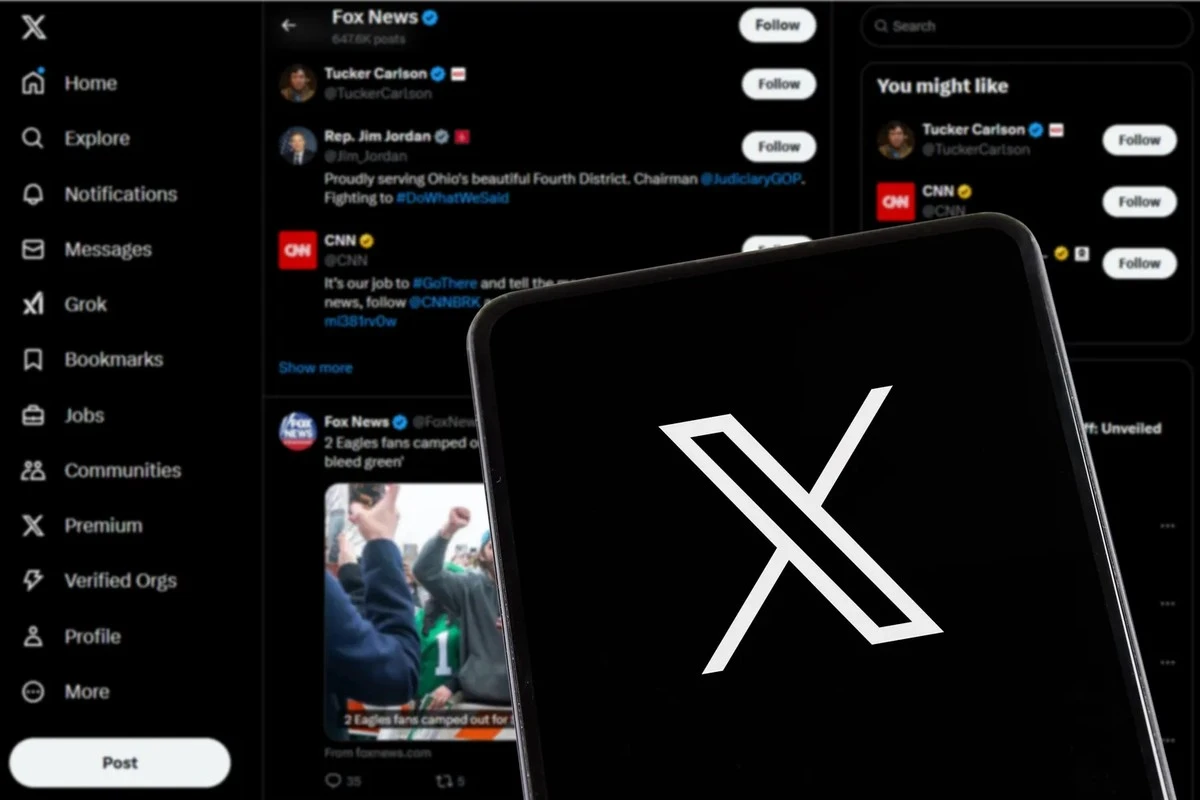
This Monday afternoon, February 16th, 2026, you might have experienced a black screen or error messages when trying to refresh your social media feed on X. Stop rebooting your router; you’re not alone. One of the world’s largest communication platforms, formerly known as Twitter, has suffered a massive, worldwide outage, leaving millions of users in an information vacuum. What started as minor glitches within an hour escalated into a complete system paralysis affecting users from the United States to Europe and Asia.
The platform managed by Elon Musk has become a primary source for real-time news in recent years, making such an outage more than just an inconvenience – it’s a serious blow to global information dissemination. Users from dozens of countries are reporting identical symptoms, pointing to a deep-rooted problem within the platform’s infrastructure.
Symptoms affecting millions
The outage manifests quite specifically, yet uniformly across the globe.
Thousands of users trying to access the platform on their mobile apps see a frozen timeline. At best, they see posts from a few hours ago that won’t refresh, no matter how many times they scroll down. Those trying to access X.com via their browser often see a white screen or a standard technical error message.
The disruption isn’t limited to passive browsing. Those who manage to log in face further issues: the posting function doesn’t work, sharing content (so-called ‘retweets’) is impossible, and personal messages simply don’t reach their recipients. This indicates that not only the user interface display is affected, but also the core data exchange servers.
The numbers don’t lie: this isn’t just a technical hiccup
The scale of the disruption is enormous, according to independent monitoring service “Downdetector”.
- The first signs of trouble appeared around 3 PM Lithuanian time (13:02 GMT).
- What started as a few hundred reports quickly turned into an avalanche.
- In less than an hour, over twenty-three thousand reports of a non-functional service were recorded in the United States alone.
- A similar situation is observed in the United Kingdom and across mainland Europe.
It’s important to understand that the publicly reported numbers are just the tip of the iceberg. “Downdetector” only tracks users who actively report a problem. In reality, if the platform is not working for tens of thousands of actively reporting users, it’s likely that the silent majority experiencing the same issues numbers in the millions. Israeli news agencies and tech portals like “TechRadar” confirm that the outage is affecting all time zones and is not sparing Asian markets.

Silence from headquarters fuels rumors
Perhaps the most unsettling aspect of this situation is the complete silence from X’s administration.
At the time of writing, platform representatives have not provided any official explanation. Media trying to contact the company are met with a wall of silence. Although there is a dedicated page for developers to monitor API status, it often lags in reflecting the real situation for regular users.
In such cases, the information vacuum becomes fertile ground for disinformation. When official channels remain silent, users migrate to alternative platforms like Telegram, Reddit, or Discord. Unverified information about supposed cyberattacks or data leaks often spreads there. Experts advise maintaining a cool head and trusting only verified sources and major news agency reports, rather than blindly believing rumors on forums.
Why is this dangerous for financial markets?
An outage might seem like a lack of entertainment, but the reality is far more serious, especially for the financial sector.
For the cryptocurrency community, X is a vital tool. It’s the primary place where projects announce updates, and exchanges inform about technical maintenance. This is where market trends are born and die.
When X is down, the cryptocurrency world goes blind. Information about important market events spreads slower, opening the door for manipulation. Historically, such major outages have often correlated with temporary price swings, as traders lose access to real-time sentiment. As discussions move to private Telegram channels, it becomes much harder to verify the identity of information sources, increasing the risk of fraud manifold.
What should an average user do?
If you currently cannot access your account, the most important rule is: do nothing drastic.
There’s no need to change passwords, delete the app, or call your internet provider. The problem is global and not on your device. The best strategy is simply to wait. Outages of this magnitude are usually fixed gradually, so service may not be restored for everyone at once. Monitor independent tech news portals and arm yourself with patience – the digital world will eventually light up again.
What’s your go-to platform when X is down?