

Tired of the endless wait at charging stations, fueling your car with stale gas station coffee? As we age, our time becomes a precious commodity, and the promise of an electric future often felt like a waiting game. We were sold a vision of a sustainable tomorrow, but the reality involved staring at our phones in soulless service areas, slowly sipping on those kilowatt hours. It’s time we admit it: that waiting is just wasted time, time we’d much rather spend relaxing at home.
But it seems the innovators at BYD have decided enough is enough. They’re putting an end to the roadside contemplation sessions, and the future of EV charging is here, faster than you can imagine.
The 5-Minute Miracle: From Exit to Driving in Record Time
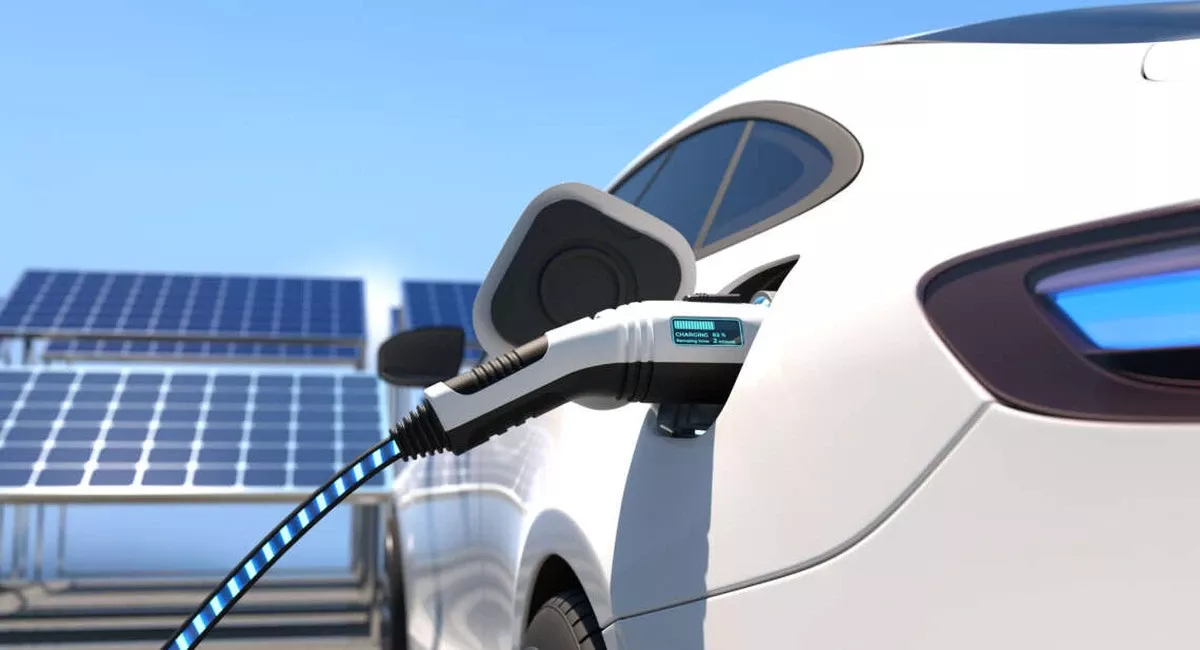
BYD engineers have unveiled a groundbreaking battery technology that’s set to reset the clock on EV charging. Their bold claim? Charging in just five minutes. This isn’t just a small improvement; it’s a fundamental shift in how we interact with our electric vehicles.
The Numbers That Are Changing the Game:
- In just 5 minutes, your battery jumps from 10% to 70%. That’s enough time to step out, take a quick restroom break, and be back behind the wheel.
- Within 9 minutes, you’ll hit an impressive 97% charge.
- Even in freezing winter conditions, a full charge is achievable in a mere 12 minutes.
1500 kW Power and Medieval Testing
The initial reaction might be skepticism – is this just another overzealous press release? But BYD’s ambition is staggering. They’ve developed a charging station with an astonishing 1500 kilowatts (kW) of power. To put that in perspective, that’s vastly more than what most homes consume.
To ensure your family SUV doesn’t turn into a fireball, BYD’s engineers devised a sophisticated ion transport system. Put simply, they’ve managed to make lithium ions move within the battery faster than a Friday night food delivery driver navigates city streets. They even subjected their batteries to a nail-piercing test with a massive current running through them – no fire, no smoke. While their testing methods might seem like a medieval interrogation, it’s undeniably convincing.
Real-World Range and an End to the Cable Mess
Alongside the super-fast charging, the driving range has also seen a significant boost. While the official lab-tested figure is a lofty 1000 kilometers, expect a very respectable 600 kilometers in real-world conditions, factoring in air conditioning and normal driving habits.
But perhaps the most delightful, seemingly mundane detail is how BYD has tackled the charging cable. We’ve all wrestled with heavy, tangled, mud-splattered cables in the rain. BYD’s ingenious solution? Hanging the cables overhead on a T-shaped stand. You simply grab it from above and connect it to your car. Your hands stay clean, your back doesn’t ache, and your jacket remains spotless. These small, practical touches are what make technology feel truly designed for us – the living, breathing, sometimes slightly lazy humans.
When Will This Arrive in Europe?
BYD is rolling out this technology rapidly in their home market, China, with over 4,000 stations already operational and plans to reach 20,000 by the end of the year. To handle the immense power, these stations are equipped with massive energy storage units.
In Europe, this technology will debut with the premium station wagon ‘Denza Z9GT’. While the name might sound like a high-end microwave, the car itself is making serious waves. The exact timeline for these five-minute charging stations appearing widely on our roads remains unclear. However, the very thought that the era of endless “cigarette breaks” at charging points is drawing to a close is incredibly comforting. While environmental consciousness is commendable, the chance to reclaim our time and skip the gas station queue is a benefit I appreciate even more.
What’s your biggest frustration with current EV charging infrastructure?