
Imagine transforming your vacation photos into a personal soundtrack, or creating a unique background for your social media videos with just a click. For years, AI music creation felt clumsy and artificial. But Google has just launched Lyria 3, a groundbreaking AI model that changes everything, and it’s about to revolutionize how we think about music production.
This isn’t just another text-to-music tool. Lyria 3 is a truly multimodal system, meaning it understands more than just words. In my own experiments, I’ve seen it create surprisingly fitting soundtracks from simple images. This level of innovation means anyone can now produce professional-sounding music, regardless of their musical background.
From Images to Immersive Soundscapes
The biggest leap with Lyria 3 is its ability to generate music from visual input.
A picture is worth a thousand notes
Unlike older AI that relied solely on text prompts, Lyria 3 analyzes a photo or even a short video clip. It then intelligently crafts a musical score that complements the visual mood and content. For content creators on platforms like YouTube or TikTok, this is incredibly valuable. You can now generate original, copyright-free music for your clips in mere seconds.
The days of struggling to find the perfect royalty-free track are over.
Professional Quality, Human Emotion
Google’s engineers focused heavily on high-fidelity sound. Lyria 3 goes beyond simple synthesizer melodies.
Realistic vocals and complex arrangements
The model is capable of producing intricate musical arrangements that rival professional productions. But perhaps even more astonishing is its ability to generate incredibly realistic human vocals. Lyria 3 can also write lyrics and perform the song in multiple languages, capturing natural breathing, intonation, and emotion.
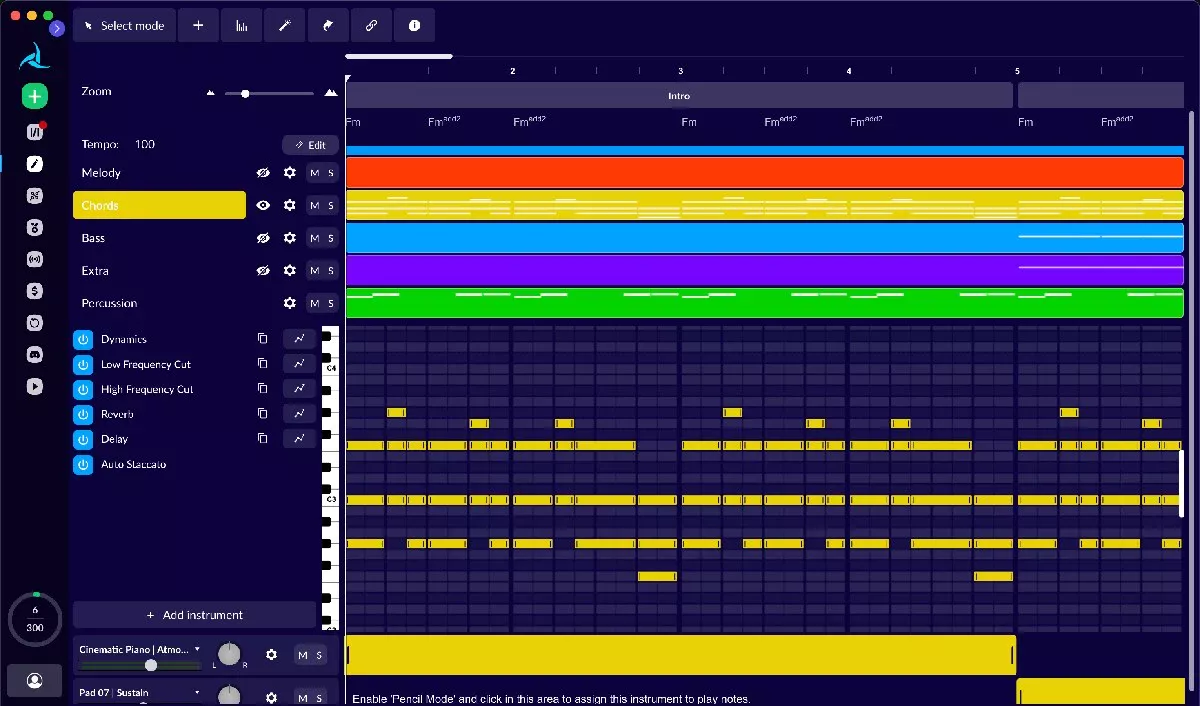
It’s hard to believe this music isn’t human-made.
Complete Control for the Creator
Even though AI is driving the creation process, human input remains crucial.
Tailor-made music at your fingertips
Lyria 3 allows users to generate up to 30-second high-quality music tracks. More importantly, it offers granular control over the output. You can specify:
- The desired music genre (from classical to EDM).
- The tempo (BPM).
- The emotional mood (e.g., melancholic, uplifting, tense).
This precision puts the creative reins firmly back in your hands.
Safety and Copyright: The Invisible Guarantee
A significant challenge in AI music is preventing copyright infringement and unauthorized voice cloning. Google has implemented robust safeguards to ensure transparency and protect artists.
SynthID: Your silent partner
Every music track generated by Lyria 3 is embedded with a “SynthID” watermark. This is imperceptible to the human ear but easily detectable by specialized software. It confirms that the music was AI-generated, thus safeguarding the intellectual property of original musicians.
With Lyria 3’s debut, we’re stepping into a new era where the lines between human and machine-created music blur, while creative possibilities expand boundlessly. What will you create first?